When to Start Weed Control in Central Alabama: A Month-by-Month Plan
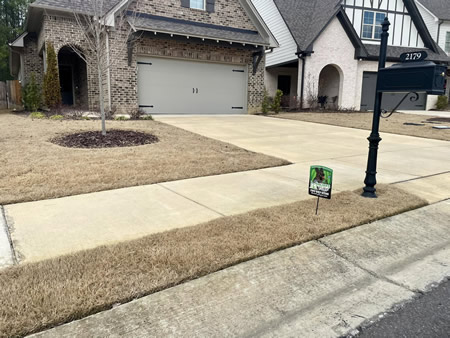
If you live in Chelsea or nearby neighborhoods like Mt Laurel, Highland Lakes, Greystone, or Chelsea Park, timing your weed control matters as much as the products your lawn service uses. This guide walks through what a professional schedule looks like across the year in our region so your warm-season turf stays thick and clean. For help putting this plan into action, explore our weed control and fertilization program.
How Weed Control Works in Central Alabama
Central Alabama’s weather flips fast. Warm spells show up in January. A chilly snap can follow right behind. That swing lets winter weeds like henbit and annual bluegrass sneak in, then spring heat fuels crabgrass and spurge. A strong plan uses pre-emergent treatments before seeds sprout and targeted post-emergent treatments when breakthroughs appear. It also accounts for our clay soils and summer heat that stress Bermuda and Zoysia in places like Dunnavant Valley and Meadowbrook.
- Pre-emergent timing blocks big weed flushes before they start.
- Selective post-emergents clean up what slips through without harming your turf.
- Balanced nutrition keeps grass dense so fewer weeds can find space.
Local insight: In Central Alabama, pre-emergent timing follows soil temperature and recent rain, not just the calendar. A few well-timed professional visits beat many late or rushed applications and protect lawns from Chelsea to Inverness when weather swings.
Central Alabama Weed Control Schedule by Month
January: Winter Weeds Under Watch
Your lawn is mostly dormant, but winter annuals are active. Pros monitor for visible patches and apply targeted treatments during milder stretches. This is also a smart time to review last year’s results and set the coming schedule so you do not miss key windows.
February: Late-Winter Pre-Emergent Window
As soil warms, it is time to get ahead of spring weeds. Your lawn service times a pre-emergent application around local conditions to block crabgrass and other early risers. In places like Greystone and Chelsea Park, catching this window keeps spring growth focused on grass, not weeds.
March: Split Application and Early Green-Up
Many programs use a second, well-timed application to extend protection into late spring. Gentle nutrition supports green-up for Bermuda and Zoysia while staying cautious about cool snaps. Pros keep an eye out for broadleaf breakthroughs and spot-treat as needed.
April: Spring Clean and Color
Warmer days mean faster growth. Your lawn service targets any visible invaders and adjusts nutrition to build density. Thick turf is your best year-round weed defense, especially on the sunny slopes common off Highway 280.
May: Broadleaf Patrol and Sedge Watch
Dandelion lookalikes, clover, and other broadleaf weeds try to bloom now. Selective treatments clean them up without slowing turf. Techs also watch for sedges in low, wet pockets and plan pressure relief before summer heat arrives.
June: Summer Setup
The goal is strong, even growth with minimal stress. Treatments stay precise to avoid pushing soft growth in rising heat. If your soil trends acidic, your provider may schedule a lime application in a different visit within your annual plan so nutrients keep working.
July: Heat, Drought, and Breakthroughs
High heat can open thin spots where weeds try to move in. Pros focus on targeted post-emergent use while protecting turf color. Avoid heavy fertilization during peak summer heat; the right balance keeps grass healthy without forcing growth it cannot support.
August: Prep for Fall Season
As nights begin to ease, it is time to prepare for winter-annual prevention. Your lawn service reviews moisture patterns, shade, and traffic in areas like Mt Laurel’s tree-lined streets to fine-tune where weeds are most likely to appear once temps dip.
September: Fall Pre-Emergent Prime Time
This is the key window to block winter weeds like annual bluegrass. A well-timed professional application limits what you will see in late fall and next spring. Pre-emergent isn’t about the date; it’s about soil conditions, which your technician tracks week to week.
October: Extend Protection
Many programs include a follow-up fall application for longer coverage. Pros also spot-treat any early winter weeds popping in shaded Chelsea lawns and adjust nutrition to support root strength before dormancy.
November: Dial In the Details
Cooler weather slows growth, but weeds do not stop. Your provider touches up problem spots and checks thin patches that could invite spring weeds. This attention is especially helpful in yards near creeks and low areas around Chelsea and Vincent.
December: Dormant Turf, Active Plan
With grass resting, your lawn service reviews the year’s weed pressure and plans the next cycle. That way you hit the late-winter window on time and start strong when spring returns.
Pre-Emergent Timing vs. the Calendar
Weather in Central Alabama can shift by 30 degrees in a week. That is why top lawn services use local observations and proven scheduling. The right week is worth more than the right product used at the wrong time. Your technician considers rain patterns along U.S. 280, shady spots by wooded lots, and soil temperature trends before each visit.
What Can Change Your Schedule
- Shade and slope that affect soil temperature and moisture
- Traffic from pets and kids that thins turf along play paths
- Irrigation timing and coverage, especially during long dry spells
- Soil pH and nutrient balance that influence color and density
When any of these shift, your pro adjusts visit timing or the mix to keep results steady from Chelsea to Pell City.
Grass Types Common in Chelsea, AL
Warm-season lawns dominate here. Bermuda powers through sun and heat. Zoysia loves full sun to light shade and finishes summer with a carpet feel. Centipede shows up in some older lawns and prefers a lighter touch. A healthy stand of any of these limits weed space, so your plan builds density first, then uses selective treatments to keep it clean.
Why a Professional Schedule Beats Piecemeal Treatments
Weeds do not arrive once a year. They come in waves. A professional, month-by-month approach targets each wave at the ideal point and supports grass so it outcompetes new growth. That is why homeowners across Highland Lakes, Greystone, and Mt Laurel choose Murf's Turf for dependable care. If you want a lawn that looks great every month, see how our seasonal weed control plan fits your yard.
Related Services That Strengthen Weed Control
Compacted clay soils are common across Shelby County. Aeration relieves pressure and lets roots breathe, which helps your grass fill in and crowd out weeds naturally. Learn how this pairs with seasonal treatments by visiting our lawn aeration page. If fire ants are disrupting play areas or creating hazards near patios, coordinated fire ant control protects your yard while your weed program keeps the turf clean.
Get Results With a Plan Built for Central Alabama
If you want consistent color and fewer weeds all year, start with a schedule that matches our weather, neighborhoods, and soils. Many local families begin by checking a weed control in central alabama overview, then letting a pro handle the timing. That timing is the difference between chasing weeds and staying ahead of them.
Ready for a lawn that looks good in every season? Call Murf's Turf at 205-667-3290 to set up your annual program, or see what is included in our weed control and fertilization program for Chelsea, AL and surrounding communities.
Transform Your Yard with Professional Lawn Services in Chelsea & Surrounding Areas!
Or Fill Out Our Quick Form!