Fertilization Mistakes That Burn Grass and How to Avoid Them
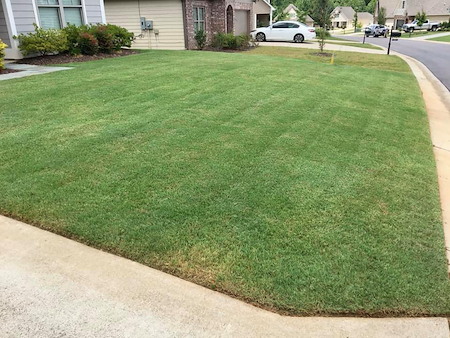
Fertilization mistakes are one of the fastest ways to turn a healthy Alabama lawn into a patchwork of yellow and brown. If you want predictable color without the risk of burn, it pays to understand what goes wrong and to lean on a proven weed control and fertilization program that’s built for our local climate and turf types.
What Nitrogen Burn Looks Like on Alabama Lawns
Nitrogen burn often shows up as straw-colored streaks or footprints where product overlapped, stopped, or spilled. On heat-loving grasses common around Chelsea, such as Bermuda and Zoysia, the burnt leaf blades may feel dry and brittle, and the damage can spread along edges, walkways, and driveway borders where fertilizer concentrates.
- Yellowing that quickly turns tan in strips or arcs, often matching a spreader path.
- Sharp contrast between dark-green patches and pale, stressed turf after a heavy feeding.
- Burned edges along sidewalks where granules piled up or bounced off hard surfaces.
Because our summers are hot and humid, damage can escalate fast when a feeding collides with a heat wave. Recovery is possible, but it takes time and careful management from trained professionals.
Common Fertilization Mistakes That Scorch Grass
Applying Too Much Nitrogen at Once
High-nitrogen fertilizer can push rapid top growth that the roots can’t support, especially in the heat. When the dose is too strong, salts draw moisture out of the leaf tissue and the grass blisters, then browns. The safe path is a seasonally balanced plan that matches your turf type and soil conditions, applied by a team that knows local lawns along the Highway 280 corridor.
Using Fast-Release Products in Peak Heat
Quick-release sources can dump nutrients all at once, which may look like a quick green-up but can quickly lead to burn when temperatures spike. In Alabama’s summer, that flash of growth is risky. Pros rely on timing and product selection, so heat, humidity, and rainfall don’t team up to damage the lawn.
Fertilizing Stressed or Droughted Turf
Grass that’s already stressed by foot traffic, mowing issues, pests, or heat is more vulnerable to salt injury. Feeding during stress doesn’t “fix” the problem; it often magnifies it. A professional visit focuses on what the lawn actually needs first, whether that’s soil balance, weed control sequencing, or a gentler nutrient source later.
Overlapping Spread Patterns and Edge Spills
Uneven spreader settings, double passes at the same width, or spills at turns create concentrated streaks. Hardscape edges are another trouble zone where granules collect and then wash into the turf, causing hot spots. Trained technicians use calibrated equipment and precise patterns to prevent the stripes and crescents that scream fertilizer burn.
Ignoring Soil Tests and pH
When pH is off, nutrients won’t work the way you expect, so people add more fertilizer and still see a pale color. That extra product can tip the lawn into burn without solving the root cause. A soil-driven plan aims nutrients where they’ll actually be used, reducing risk while improving long-term health.
Chelsea summers can swing from afternoon downpours to blazing sun in a single day. That whiplash can turn a “normal” feeding into a burn risk if the product releases all at once. Slow, steady nutrition matched to the weather is safer for Alabama turf.
The Right Timing for Lawn Fertilization
Timing isn’t just about the calendar; it’s about turf type, recent weather, and soil activity. In our area, warm-season grasses respond best when nutrients line up with active growth, not dormancy or stress. That means professionals adjust the plan as conditions change across late spring, summer, and early fall, instead of forcing a rigid schedule that can backfire.
Additionally, rain patterns around Shelby County can be intense. Heavy storms right after a feeding don’t just reduce effectiveness; they can move nutrients into concentrated pockets and raise the risk of burn. A responsive program weighs the forecast and soil temperature before each application.
Why Slow-Release Fertilizer Protects Your Turf
Slow-release fertilizer delivers a measured supply that matches what the plant can actually use. Instead of a quick dump of nitrogen, coated or stabilized sources meter out nutrients over weeks, which reduces salt injury and evens out color. For lawns from Chelsea Park to neighborhoods off County Road 11, a steady feed supports density, root growth, and weed resistance without the roller-coaster of flushes and fades.
If you’re comparing product labels, you’ll often see terms like polymer-coated or sulfur-coated nitrogen. Those technology points that meters release as temperature and moisture allow, which is safer during heat spikes. Combined with professional weed control sequencing, slow-release nutrition helps the lawn hold its green even when Alabama weather gets testy.
If you’re looking for a dependable local team, it’s smart to start with trusted lawn care in Chelsea, and then dive deeper into seasonal advice on the company’s lawn care tips page when you want to learn how pros think about timing and turf health.
Professional Calibration Beats Guesswork
Even the best fertilizer can cause damage if the delivery is off. Professional crews calibrate spreaders for particle size, walking speed, and swath width so every square foot receives the right dose. That matters on properties with curves, slopes, and tight side yards common throughout our local subdivisions.
Calibration also prevents the overlap patterns that create bright-green stripes next to tan ones. When rates are right, color comes in gradually and evenly. That’s why many homeowners choose a full-season plan handled by specialists rather than risking a costly recovery.
When “Nitrogen Burn Fix” Becomes a Bigger Problem
It’s tempting to hunt for a fast cure. But piling on more products after a burn event can compound the stress. Some “fixes” you’ll see online are one-size-fits-all ideas that don’t account for our heat, red-clay soils, or the specific grass on your property.
Professionals start by diagnosing whether the damage is truly salt injury or something else that mimics it, like certain diseases or insect pressure. Then they build a recovery plan around the growth stage and weather, often using slow-release fertilizer later in the cycle when the plant is ready. Avoid throwing additional fertilizer at a burned lawn; that reaction can lock in more damage and delay recovery.
How Pros Prevent Burn While Improving Color
Reducing burn risk isn’t about skipping nutrients; it’s about precision. Here’s how a professional approach makes a difference in Chelsea’s climate:
- Seasonally balanced feedings that align with turf growth and local weather swings.
- Measured, slow-release sources that protect leaf tissue during hot spells.
- Calibrated equipment and trained application patterns around edges and hardscape.
- Soil testing to guide nutrient choices and improve long-term health.
These steps work together to keep color even and growth steady. That balance also helps your lawn crowd out weeds, which is why integrated weed control is scheduled alongside nutrition.
What To Do If You Suspect Burn
If your yard suddenly shows streaks, footprints, or edge damage after a feeding, it’s time for a professional evaluation. A quick site visit from Murf's Turf can confirm what happened and map out next steps that protect the lawn through the rest of the season. Skip the impulse to self-correct with more product; trained eyes and calibrated tools will save time and protect the turf you’ve invested in.
Get Expert Weed Control and Fertilization Support
Healthy, even color without the risk of burn is possible with the right plan. If you want consistent results through the heat of an Alabama summer, choose a local program that meters nutrients, times applications wisely, and protects edges and high-heat areas.
Think your lawn has fertilizer burn or want to prevent it before summer hits? Call Murf's Turf at 205-667-3290 and get a plan built for Chelsea. Prefer to start online? Request your visit today, and our local team will bring steady, slow-release nutrition and calibrated applications to your yard.
Transform Your Yard with Professional Lawn Services in Chelsea & Surrounding Areas!
Or Fill Out Our Quick Form!